Leave Your Message
- Phone
- E-mail
- Skype
- Whatsapp
- Whatsapp

In the trend of global trade, the request for high-quality natural extracts is increasing, particularly Epimedium Sagittatum Extract, which has emerged as quite a very famous ingredient across all the different industries, especially in health and wellness. It is indeed a potent extract, celebrated for its numerous health benefits. And this mention augments the weightage associated with robust import-export certification processes in international competitiveness, added to which businesses must understand beyond the numbers when talking about Epimedium Sagittatum Extract. The section in the marketplace for losers becomes deadly when competition in international markets is so stiff, and this serves well for expanding businesses to infuse into the context and continue to comply with superior standards of safety and quality.
Xi'an Jintai Biotechnology Co., Ltd. understands that our success lies in quality systems. Right from the planting base, we leave no stone unturned in our commitment to quality. It guarantees that the raw materials for our products are the best and safest. All our raw materials are traded internationally. Rigor standardization in our quality inspection guarantees an effective raw material quality control in order to meet the needs of Epimedium Sagittatum extract in the global competitive market. The blog will give some details of the certification process during the import and export of this extract and the real meaning of quality in supply chains.
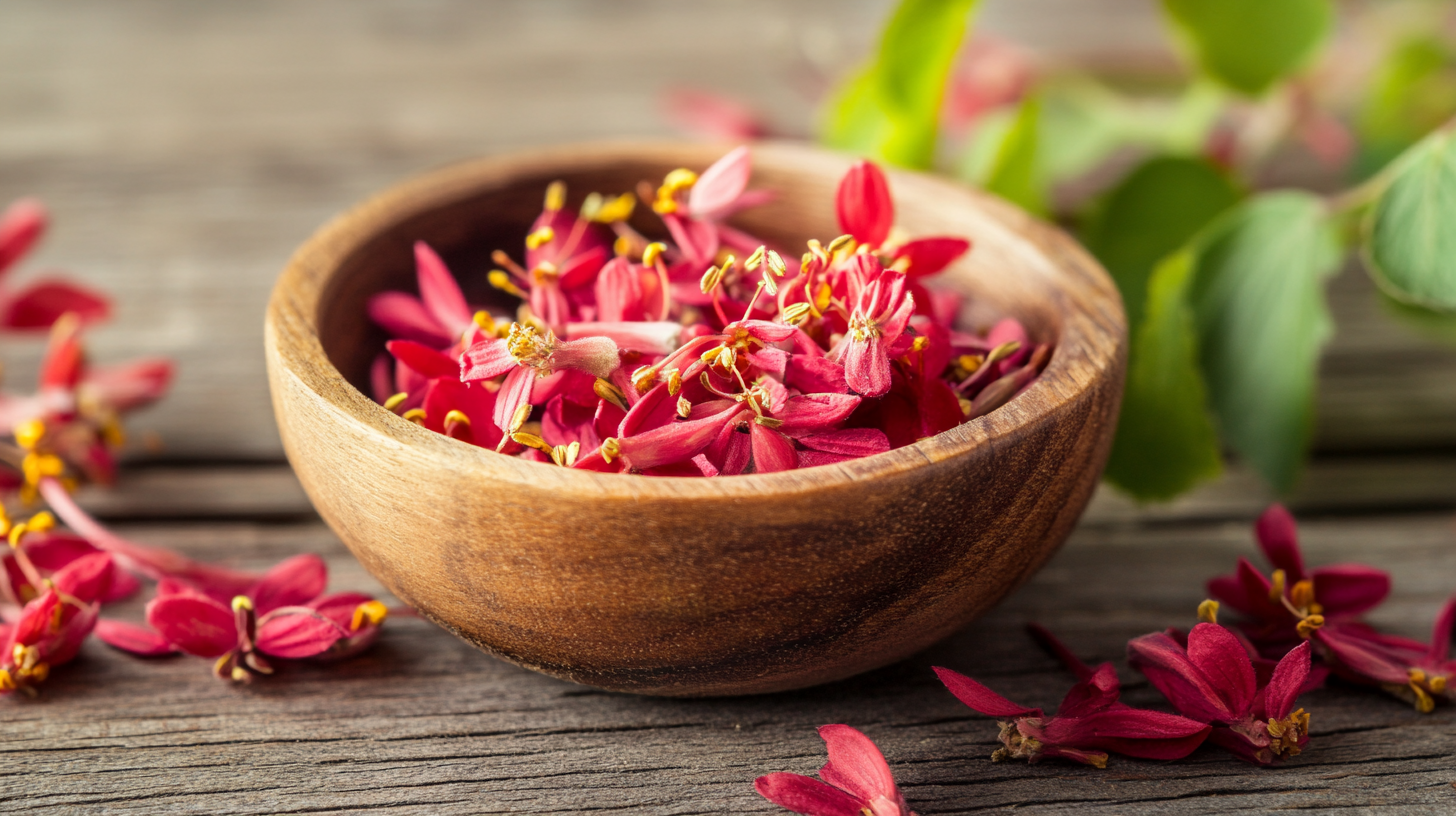
Epimedium sagittatum, also known as Horny Goat Weed, is a most effective Herbal Extract in traditional medicine from China. This herb quickly made its way into the global market for its discussed benefits concerning sexual health apart from other energy and vitality enhancement aspects. With more consumers interested, and with manufacturers applying its potential in their products, the complexities of import and export certification quickly unfold. But then, compliance to international regulations is what is needed by businesses that want to strike this lucrative market. The export market in this world is potentially larger than any of the above mentioned. There is an upsurge in the acceptance of the magical herbal extract among the people in North America, Europe, and parts of Asia owing to their growing interest in herbal supplements and health products. However, the emerging market comes with some stringent regulations that require proper certification before such products' safety and efficacy. To have a clearer grasp of the global import-export scene for Epimedium sagittatum extract, stakeholders in different levels must have their understanding hats on. Businesses need to know how to maneuver through different countries' certification requirements, which might need a couple of rigors in testing and assurance of quality. Using knowledge on certification trends and market movements, businesses will better position themselves to capitalize on the opportunities presented by this remarkable herbal extract and, eventually, improve access to its benefits for consumers.

There are different regulations in each country that affect the import and export of Herbal Extracts such as Epimedium Sagittatum. Among these is the Good Manufacturing Practices (GMP) framework, which gives several steps on the consistent production and controlled quality of products. Compliance with these laws is what guarantees consumers that the herbal extracts meet all regulations for import and export.
Apart from GMP, specific countries may also require phytosanitary certificates and trade permits, which are the proof that the herbal products are pest and disease-free. Such documents ensure that harmful organisms are not introduced into the local ecosystem since they protect public health as well. It cannot be overemphasized that these countries have a very strict regulatory system, and therefore, any product failing to meet their requirement may face a great delay, heavy fines, or prohibition altogether on exporting or importing such products.
Moreover, tariffs and import quotas can be part of regulations, and those regulations can really affect how accessible the market is and how prices change accordingly. It is important to keep track of the laws being updated since failure to adapt to them may end up resulting in high operational costs or lost opportunities in the market. Having this information on regulatory intricacies does help an organization aiming to run worldwide in recognizing foreign herbal extract regulations like those governing Epimedium Sagittatum.

Several points of certification for different regions around the world end up playing a major role in the global Epimedium Sagittatum extract market renowned for herbal supplements. Knowledge about the certification requirements is very beneficial for the importers-exporters who are rightly engaging these hurdles involved in international trading. Every country is likely to have its own set of regulations on the quality, safety, and efficacy of herbal supplements, impacting their market access and sales.
To take an example, companies in North America adhere to stringent requirements laid down by health authorities to the effect that their products meet safety criteria. In Europe and countries beyond, almost equal importance is accorded not only to safety but also to the traceability of the source materials thereby raising operational costs and complicating their supply chains. Thus, businesses will have to remain vigilant regarding regional requirements to avert legal consequences in the future and foster consumer confidence.
Another issue in respect of certificates might possibly influence the speed of market readiness for export of products to foreign markets. Much time and money is in fact spent on getting certifications by the companies selling Epimedium Sagittatum extract, and that procedure does take a very long time indeed, including the documentation and often extensive testing itself. This could serve as an entry barrier for smaller companies in the industry and also a selling point for larger companies that follow the standard or improve upon it, creating a situation that probably influences their market competitiveness.

The legislative maze of compliance for herbal products, especially a niche extract such as Epimedium Sagittatum, is a multidimensional interplay of ever-different regulations across the world. Therefore, manufacturers and exporters must understand local and international laws relevant to herbal products so they may charge their goods as consistent with requirements of safety, efficacy, and quality. This compliance is not only a way to meet the regulations but also to instill confidence in the consumer and the retailer, who are ever-so-increasingly demanding transparency and accountability in the sourcing and processing of herbal extracts.
Regulations for herbal products, which are mainly Epimedium Sagittatum extract, usually include strict rules about labeling, acceptable health claims, and quality control measures. For example, in terms of confirming whether this plant is construed by the Novel Food Regulation in the EU, it applies to new-extracted herbs that are not widely consumed before 1997, while in the US, the FDA considers such under the Dietary Supplement Health and Education Act. Furthermore, exporters should consider Good Manufacturing Practices (GMP) in the protection of the integrity of their extract. These subtle complexities may form a labyrinth, but those are requisite for a successful entrance and longevity in the herbal market.
Since there has been an upsurge in the interest in herbal remedies, the scRutiny of their compliance and certification has also grown. It is an evolving regulatory climate in which businesses need to be continuously updated with current changes in laws to ensure that their products remain compliant across nations. A proactive understanding of these scenarios would enable companies to effectively market their Epimedium Sagittatum extract to health-conscious consumers while maintaining legitimate credibility with the agencies.
Standards for quality assurance of Epimedium Sagittatum extract are indispensable amid the surrounding challenges of global trade marked with increasing tariffs and consequently trade tensions. China has increased tariffs on American agricultural products as an act of retaliation, affecting global logistics and trade patterns. Importers and exporters of Epimedium Sagittatum extract now wrestle with these complications and concurrently adhere to quality assurance standards.
The market for Epimedium Sagittatum as a significant herbal extract is sensitive to trade policy alterations. New tariffs may compel producers to seek alternative sources and alter their supply chains. While the tariff alterations take effect, it is imperative for those producers to maintain high-quality levels, since the quality of their product determines brand reputation as well as consumer satisfaction.
Further, the changes in trade will allow for the use of local suppliers to help with the optimization of existing quality assurance processes. Companies need to work toward supply chains that ensure compliance with regulations and uphold the highest quality standards. With a focus on quality assurance, the companies can shield themselves against the threat of shifting trade policies and lend stability to the Epimedium Sagittatum extract market.
Moreover, the world trade of herbal ingredients will be affected mainly under the economic conditions. Natural health products demand has also led to the increase of Epimedium Sagittatum extract into international markets that are transforming their trade dynamics. Important factors that molded the international herbal imports and exports include the economic stability of the country, fluctuating currency values, changes in tariff regulations, and the backlinking of countries with one another.
Recent analysis indicates robust economies that also provide superior regulatory frameworks emerging as the newest entrants into dominating the herbal ingredient market. For instance, medicine traditions in various places are exporting more than other countries into the region. Such countries also face sluggish economies and are thus too poor to compete, making the conditions lopsided. The windfall has additional sources via e-commerce, which has widened suppliers' access to markets that were previously unreachable for smaller producers.
Much of the current trends in the economy is on sustainability. Thus, these factors motivate more consumers to patronize brands giving environmental friendly sourcing and production. Most of these changes reflect in the purchasing behavior as well as through stakeholders modifying their supply habits, which then includes both pricing and availability. Therefore, stakeholders need to be abreast with all these economic trends, as they form the complicated webs that establish international trade in herbal ingredients.
Such situations pose challenges and opportunities in the exportation of Epimedium Sagittatum extract. All stakeholders must thus learn how to maneuver these challenges and opportunities for survival in a competitive landscape. Herbal extracts are fast gaining worldwide demand, and besides Epimedium Sagittatum, the requisite business compliance to the multiple regulatory standards continues eg advanced authorized economic operator which is observed to have been embraced by many countries. A recent report said that more than 540 companies within Shanghai have acquired this high certification greatly improving their credibility in international trade.
In addition, local governments' initiatives such as Wuxi's novel practices on stimulating enterprises towards AEO certification add to that proactive approach of export promotion. With these processes, there should be smoother customs clearance in the future and the encouragement of companies taking their business beyond national boundaries. Certification goes beyond compliance for assured legal protection; access positively impacts trade improvement and efficiency in the export market.
As the world increases its tilt towards nature and sustainable crops, the export government has a good opening for market differentiation. Deployment of standards would see more or high-quality certifications alongside quality standards positioning them well for getting their products to local and export buyers and enlarging their share of this bigger market.
This emerging domain of the widening global trade scenario is likely to witness increased demand in subsequent years for Epimedium Sagittatum extract. As per one of the reports on market research, the herbal supplement market globally is poised to surpass USD 100 billion by 2027, fuelled by the increased inclination toward natural remedies in lieu of synthetic ones. Epimedium Sagittatum is expected to play a vital part in this growth due to its endorsing properties, such as enhancing libido, enriching the human immune system, and performing many other medicinal functions.
Market analysts predict that the Asia Pacific will continue to be one of the strongholds of exporting Epimedium Sagittatum extract, mainly due to native cultivation in such countries as China. The region is estimated to hold more than 40% of the market share by 2025, being influenced by herb consumption increase across developed economies and emerging economies. The trend is expected to lead to this extract's improved acceptance and exports growing at a compound annual growth rate (CAGR) of 7.5% over the next five years.
New horizons are opening in trade with emerging advances in certification processes of herbal products. Given the stringent quality control measures prescribed by international standards, expect such companies to gain relative capital over others that invest in certifying the Epimedium Sagittatum extract. According to the International Trade Centre, products certified under internationally recognized standards usually register an average 30% increase in entry into global markets which make it crucial for producers to take heed of such certifications in their export strategies.
A promising future for Epimedium Sagittatum extracts seems to be on the horizon-an increasing market demand associated with its strategic regional advantages-however, the focus on quality certifications seems to clear the way for possible sustainable growth in global trade.
It is commonly known as Horny Goat Weed.
The extract is primarily associated with benefits related to sexual health, energy enhancement, and overall vitality.
Understanding certification requirements is crucial for navigating international trade and ensuring compliance with regulations that affect product safety and efficacy.
Key regions include North America, Europe, and parts of Asia.
Challenges include stringent regulations, varying certification requirements across different countries, and the need for thorough testing and quality assurance processes.
Certification processes can affect the speed at which products are brought to market, potentially serving as a barrier to entry for smaller companies while providing a competitive advantage for those that comply with high standards.
Traceability can ensure product safety and quality but may also increase operational costs and complicate supply chains.
By understanding these trends, businesses can better position themselves to capitalize on opportunities in the herbal supplement market and enhance consumer access to the benefits of Epimedium sagittatum extract.